
Holding the Connection: Attachment, Relationships, and the Heart of Teaching
Every child enters our classroom asking one silent question: Can I trust you to hold the connection when I am joyful, uncertain, or struggling? When educators understand attachment and lead with warmth, consistency, and presence, they become the steady relationship through which children learn, heal, and thrive.
Major Takeaway for Participants
Before children can fully engage in learning, they must first feel safe, seen, and connected—because all learning happens in relationships.

Every child enters our classroom asking one silent question: Can I trust you to hold the connection when I am joyful, uncertain, or struggling? When educators understand attachment and lead with warmth, consistency, and presence, they become the steady relationship through which children learn, heal, and thrive.
Major Takeaway for Participants
Before children can fully engage in learning, they must first feel safe, seen, and connected—because all learning happens in relationships.

Curiosity: The Gateway to Emotionally Responsive Practice
Pause. Wonder. Connect.
Curiosity changes everything. It invites us to pause before reacting, to wonder before judging, and to listen before correcting. In emotionally responsive practice, curiosity becomes the doorway to understanding behavior, building trust, and strengthening relationships with children, families, and colleagues. This session explores how staying curious—especially in moments of challenge—creates emotional safety, deepens connection, and opens pathways for growth, healing, and joy in early learning environments.

Where the Wild Things Still Are
The Emotional Power of a PreK Classic
Why has Where the Wild Things Are captured children’s hearts for more than sixty years? This engaging session explores how this beloved story invites PreK children into a rich emotional landscape of imagination, anger, longing, belonging, and repair. Through an emotionally responsive lens, educators examine how shared storytelling supports comprehension, expressive language, emotional literacy, and self-understanding. Participants will learn how literature becomes a bridge—helping children name feelings, retell stories through art and play, and connect books to their own lived experiences in deeply relational ways.
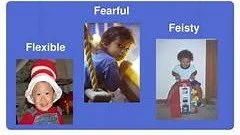
Temperament Matters
Is It the Child—or the Mismatch?
“The children in my class are driving me crazy.” What if the challenge isn’t the child—but a temperament mismatch? Every child (and adult) enters the classroom with a hard-wired temperament—fearful, feisty, or flexible—that shapes how they respond to stress, stimulation, and relationships. This session helps educators identify temperament styles in children and themselves, offering practical strategies to reduce power struggles, prevent escalation, and build environments where differences are understood—not punished. When educators understand temperament, behavior becomes meaningful, relationships deepen, and classrooms become calmer, more responsive places for everyone.
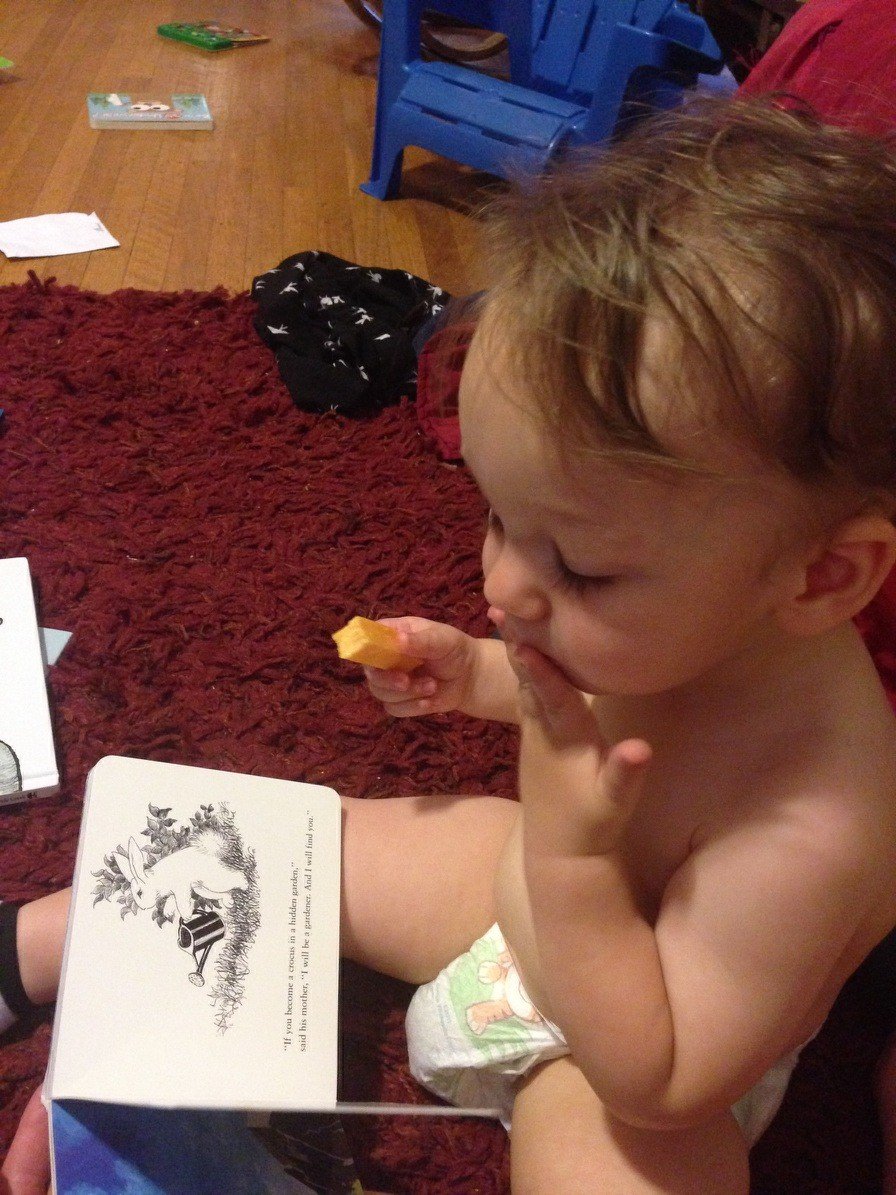
Emotionally Responsive Literacy for Infants and Toddlers
Building Language, Meaning, and Belonging from Birth to Three
Before children read words, they read faces, voices, and relationships. Emotionally responsive literacy begins long before print—rooted in attachment, attunement, and shared meaning-making. In this session, educators explore how infants and toddlers develop early language and literacy through warm, reciprocal interactions, co-regulation, and consistent shared storytelling. By weaving together emotional milestones, early brain development, and literacy practices, participants will discover how emotionally safe relationships lay the foundation for attention, comprehension, communication, and a lifelong love of learning.
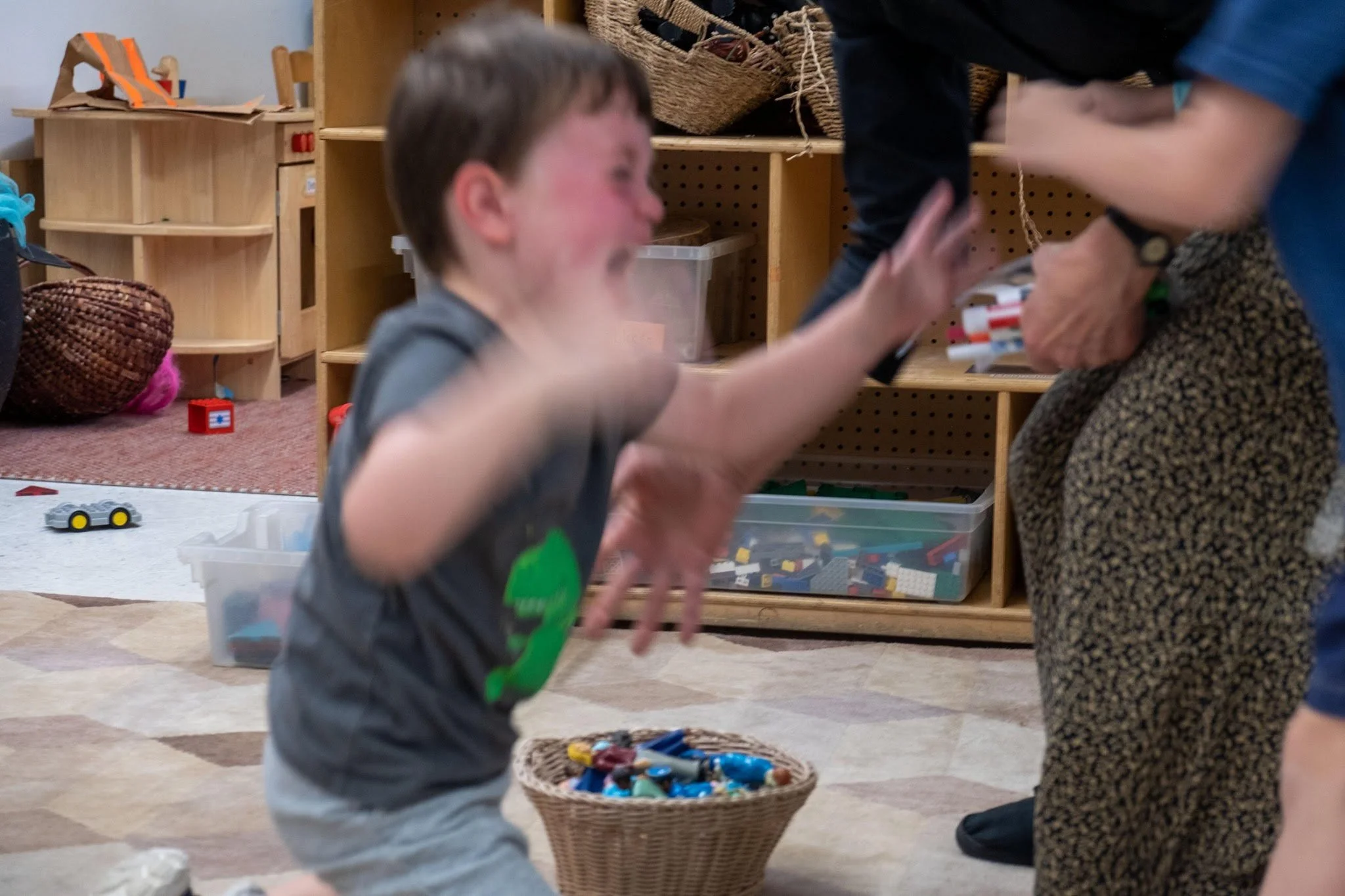
Angry Love & Ruthless Compassion
When Big Behaviors Are a Child’s Loudest Cry for Love
Anger in young children is rarely about defiance—it is communication born of unmet needs, overwhelmed nervous systems, and developing emotional capacity. This session reframes intense behaviors—hitting, spitting, foul language, and aggression—as Angry Love: a child’s desperate attempt to be seen, held, and understood in the only way they know how. Educators will explore the why behind explosive behavior, integrate foundational mental-health principles into everyday classroom practice, and learn how Ruthless Compassion—responding with empathy, steadiness, and non-defensive presence—creates safety, connection, and real regulation for children who need it most.

Midwest Summit for Early Childhood Coaches and Trainers: The Impact of Smalltalk on Relationships
Part 1: Coaches, Supervisors, and Trainers—join us as we explore the profound impact of small talk in your role. Together we will reflect on how growing from the outside-in enables your constituents to teach from the inside out, holding the hearts and souls of children and families with greater empathy and care. This session will offer strategies to strengthen your relationships with educators and deepen your impact through intentional, reflective connections.
(Continue this discussion by signing up for Part 2 for Session 2.) Part 2: Continuation of Coaches, Supervisors, and Trainers—join us as we explore the profound impact of small talk in your role. Together we will reflect on how growing from the outside-in enables your constituents to teach from the inside out, holding the hearts and souls of children and families with greater empathy and care. This session will offer strategies to strengthen your relationships with educators and deepen your impact through intentional, reflective connections.

TEMPERAMENTS - How to identify the TEMPERAMENT styles of the children in my class. The Children in my Class are driving me CRAZY: It could be a mismatch of TEMPERAMENT STYLES
Each of us are born with hard-wired character traits that are individual temperament style. Knowing a child's temperament styly can help a teacher understand the child's behavior and how a child will behave in the classroom... Knowing Temperaments can be a critical tool for educators. WE ALSO NEED TO UNDERSTAND OUR OWN TEMPERAMENT STYLE to gain a deeper understanding of the impact of our behaviors in the classroom!

The Characteristics and Impact of the Enlightened Educator on Our Children, Families, and Community (Virtual)
It's a journey: An Enlightened Educator facilitates and nurtures a love of learning while developing a deep understanding of the emotional development of the "child and self". The Enlightened Educator promotes the social-emotional development of the "child" while cultivating critical thinking and problem-solving skills. The Enlightened Educator fosters a sense of wonder and curiosity while inspiring lifelong learning that impacts the community... Come take the first step!
MOPD Clock Hours: 1.5
It's a journey: An Enlightened Educator facilitates and nurtures a love of learning while developing a deep understanding of the emotional development of the "child and self". The Enlightened Educator promotes the social-emotional development of the "child" while cultivating critical thinking and problem-solving skills. The Enlightened Educator fosters a sense of wonder and curiosity while inspiring lifelong learning that impacts the community... Come take the first step!
MOPD Clock Hours: 1.5

Ouch! Why Children Bite? Let’s understand WHY children BITE, so we can head it off at the pass!
Care Givers need to know and understand, Why Children Bite. As we understand biting, we can minimize the incidents of biting in the classroom, as we hold the HEARTS and SOULS of children. LET'S TAKE A CHUNK OUT OF BITING!

Coaches, Supervisors, and Trainers: The Impact of Small Talk on Relationships! (Session 2)
This is a 2 part session. 1.5 clock hours per session, $60 for both sessions. Registration for Session 1 will automatically register you for Session 2.
Coaches, Supervisors, and Trainers—join us as we explore the profound impact of small talk in your role. Together, we will reflect on how growing from the outside in enables your constituents to teach from the inside out, holding the hearts and souls of children and families with greater empathy and care. This session will offer strategies to strengthen your relationships with educators and deepen your impact through intentional, reflective connections.
MOPD Clock Hours: 1.5

Coaches, Supervisors, and Trainers—join us as we explore the profound impact of small talk in your role. Together, we will reflect on how growing from the outside in enables your constituents to teach from the inside out, holding the hearts and souls of children and families with greater empathy and care. This session will offer strategies to strengthen your relationships with educators and deepen your impact through intentional, reflective connections.
MOPD Clock Hours: 3

Coaches, Supervisors, and Trainers: The Impact of Small Talk on Relationships! (Session 1)
This is a 2 part session. 1.5 clock hours per session, $60 for both sessions. Registration for Session 1 will automatically register you for Session 2.
Coaches, Supervisors, and Trainers—join us as we explore the profound impact of small talk in your role. Together, we will reflect on how growing from the outside in enables your constituents to teach from the inside out, holding the hearts and souls of children and families with greater empathy and care. This session will offer strategies to strengthen your relationships with educators and deepen your impact through intentional, reflective connections.
MOPD Clock Hours: 1.5
Coaches, Supervisors, and Trainers—join us as we explore the profound impact of small talk in your role. Together, we will reflect on how growing from the outside in enables your constituents to teach from the inside out, holding the hearts and souls of children and families with greater empathy and care. This session will offer strategies to strengthen your relationships with educators and deepen your impact through intentional, reflective connections.
MOPD Clock Hours: 3

Challenging Behaviors: This child is driving me crazy! What Can I Do? (Virtual)
Let’s think about using a case study framework to gain a deeper understanding to begin to interpret children's behavior. We will use beTOGETHERstl's CASE STUDY FRAMEWORK that will help you find strategies to support the child.
MOPD Clock Hours: 2

Let’s think about using a case study framework to gain a deeper understanding to begin to interpret children's behavior. We will use beTOGETHERstl's CASE STUDY FRAMEWORK that will help you find strategies to support the child.
MOPD Clock Hours: 1.5
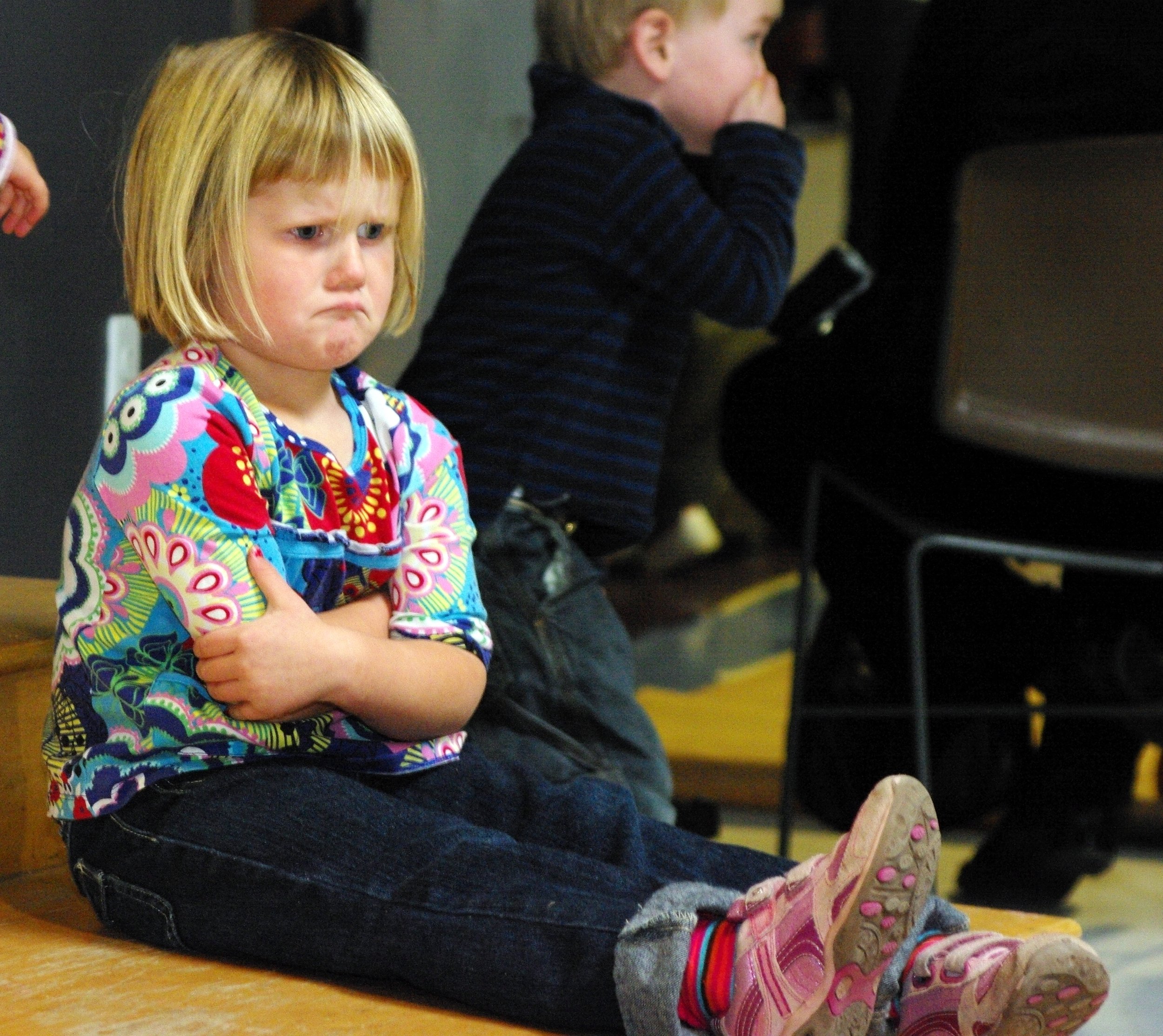
Angry Love and Ruthless Compassion: Sometimes it is the only way children know how to get LOVE!
How to understand WHY children feel so angry? What are strategies to quell such intense behaviors. Angry Love: A child’s desperate attempt to get their needs met the only way they know how. This usually comes in the form of intense aggressive, negative behavior (foul language, hitting, spitting, and kicking). Here is an opportunity to integrate many mental health principles into the ECE world. Today's teachers need to the importance of mental health in the classroom setting. Understanding a child’s negative behaviors in a Non defensive manner, responding with empathy, patience, thoughtfulness, and understanding.
TEMPERAMENTS - How to identify the TEMPERAMENT styles of the children in my class. The Children in my Class are driving me CRAZY: It could be a mismatch of TEMPERAMENT STYLES
Each of us are born with hard-wired character traits that are individual temperament style. Knowing a child's temperament styly can help a teacher understand the child's behavior and how a child will behave in the classroom... Knowing Temperaments can be a critical tool for educators. WE ALSO NEED TO UNDERSTAND OUR OWN TEMPERAMENT STYLE to gain a deeper understanding of the impact of our behaviors in the classroom!

The FOUNDATIONS: All Leadership is Rooted in Relationships
Let's explore the characteristics today's leaders need to navigate these challenging times. How do we see the gifts in the challenges? Come play together through rich experiential dialogue, videos, and playful engagements. Fill your HEART while you shoot for the STARS and explore your inner LEADERSHIP LIGHT SHINING brightly.

Angry Love and Ruthless Compassion: Sometimes it is the only way children know how to get LOVE!
Angry Love and Ruthless Compassion: Sometimes it is the only way children know how to get LOVE!